
PIT-UN 2026 Tech for Change Hackathons
The following PIT-UN member institutions have been awarded funding to host a Tech for Change Hackathon to engage students from across disciplines in solving community needs. TFC Hackathons are civic-focused, community-driven, and deployed by students to address local injustices.
Please get in touch with the Hackathon lead for each institution for more information.

April 24-25, 2026
At BMCC’s AI Innovation Challenge for Social Good, student hackers applied AI to address pressing real-world challenges. Students from diverse disciplines and backgrounds collaborated, innovated, and built AI-driven solutions focused on social impact.
Hackathon Lead: Mohammad Azhar
Professor, Computer Information Systems

March 5-7, 2026
NYU-2026 held their Tech for Change “Urban Informatics for Safe, Just, and Thriving Communities” Hackathon in March. Participants from all backgrounds and levels of (lived) experience with tech and data to assisted in building civic tech tools for safe, just, and thriving neighborhoods for tomorrow.
Hackathon Lead: Debanjan Roychoudhury
Adjunct Faculty, Tandon School of Engineering

March 7, 2026
At MakeOHI/O, students brought the Entrepreneurial Mindset to life with the KEEN framework. 259 students focused their creative energy on Curiosity, Connections, and Creating Value, in the make-athon. Multidisciplinary student teams developed innovative projects by combining their different strengths to create projects that really make an impact for their community.
Hackathon Lead: Cal King
Program Director, OHIO Informal Learning Program

March 27, 2026
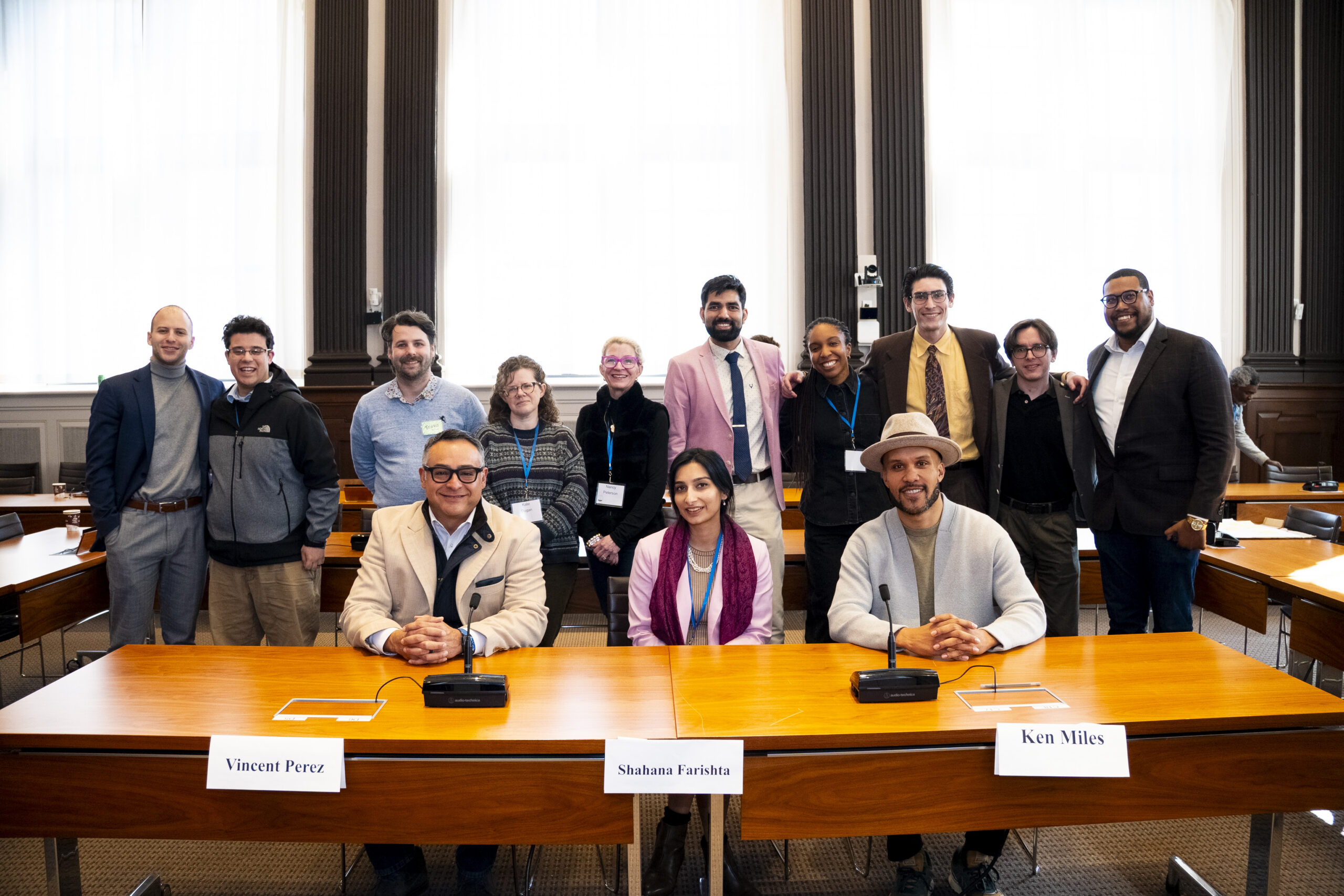
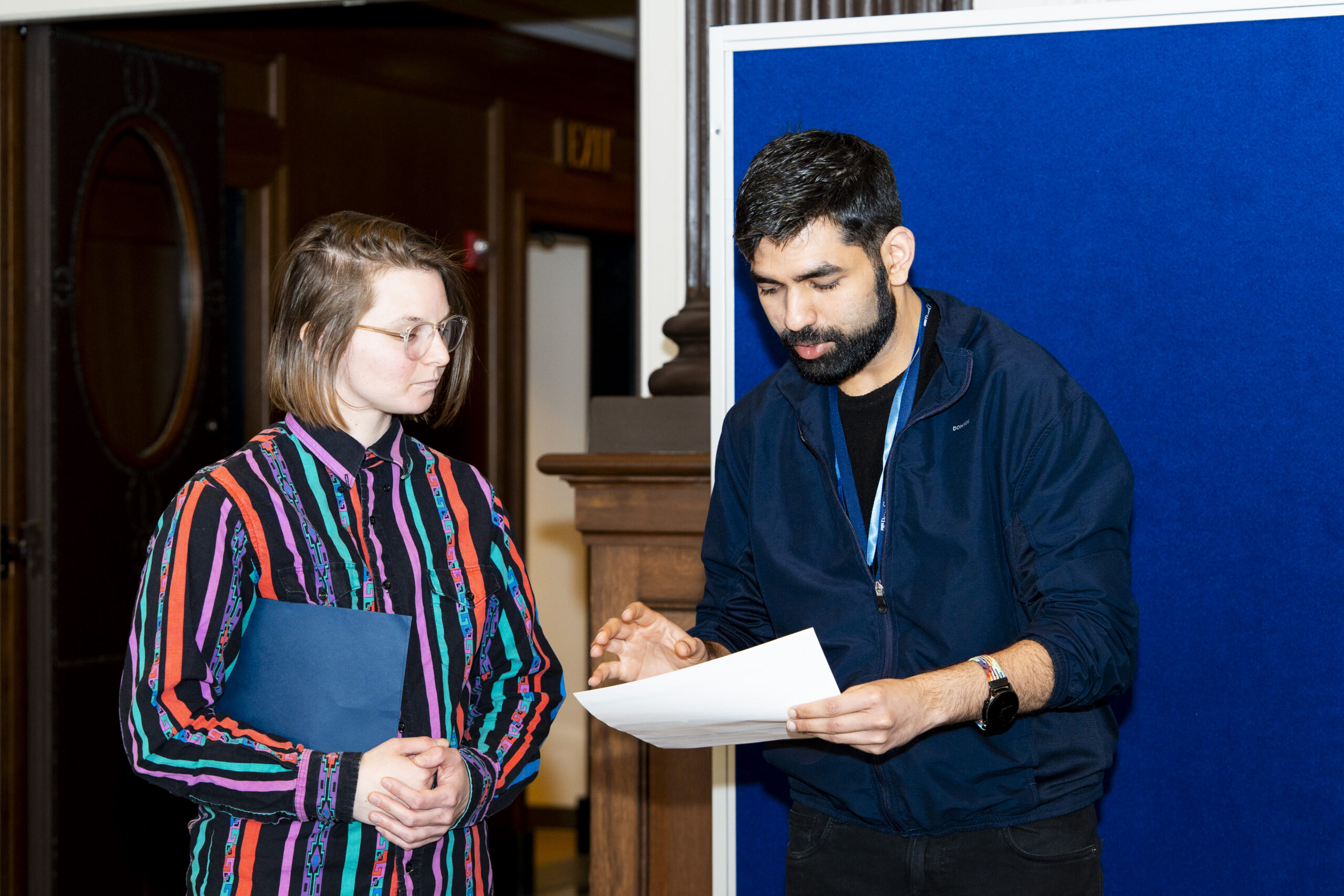
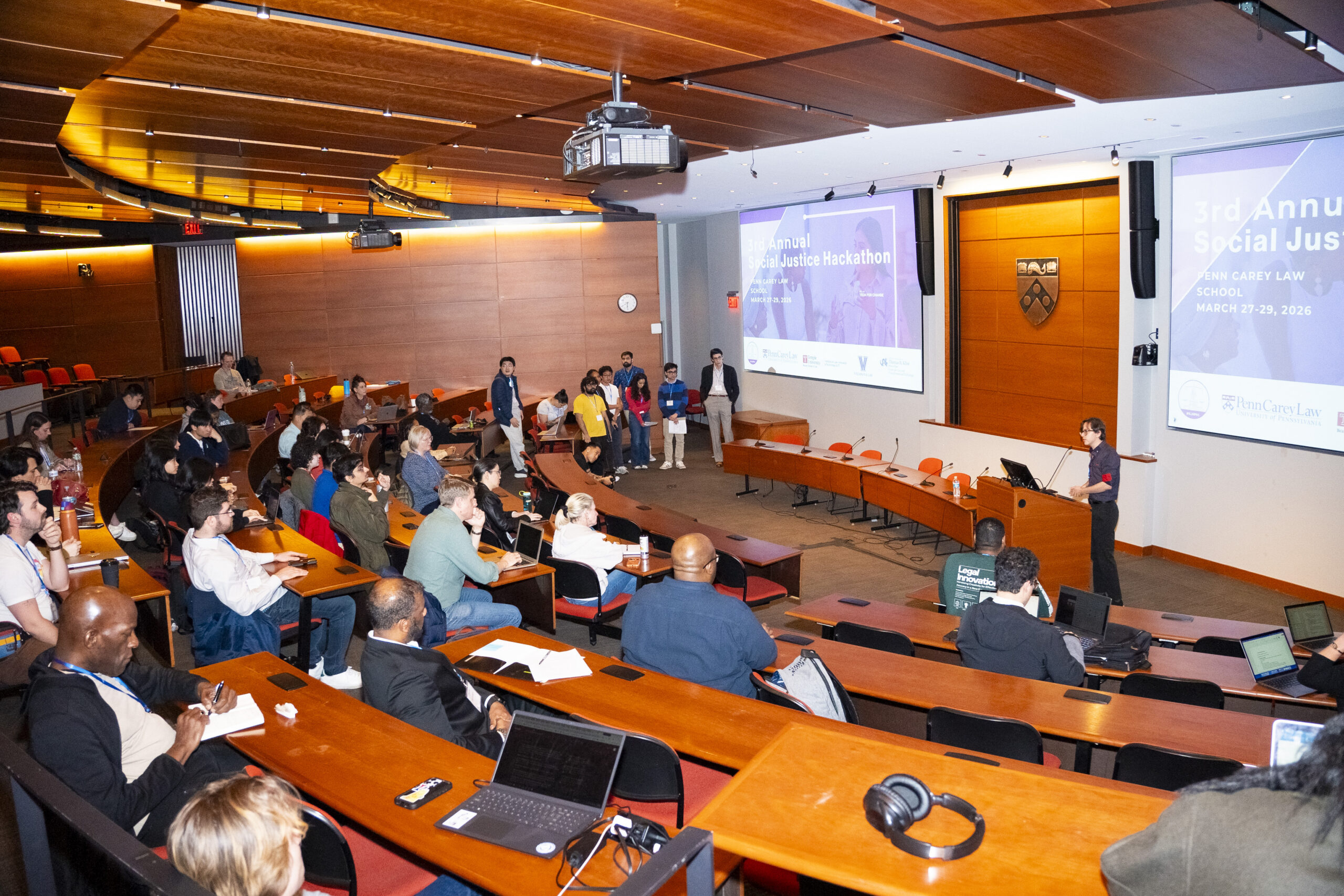
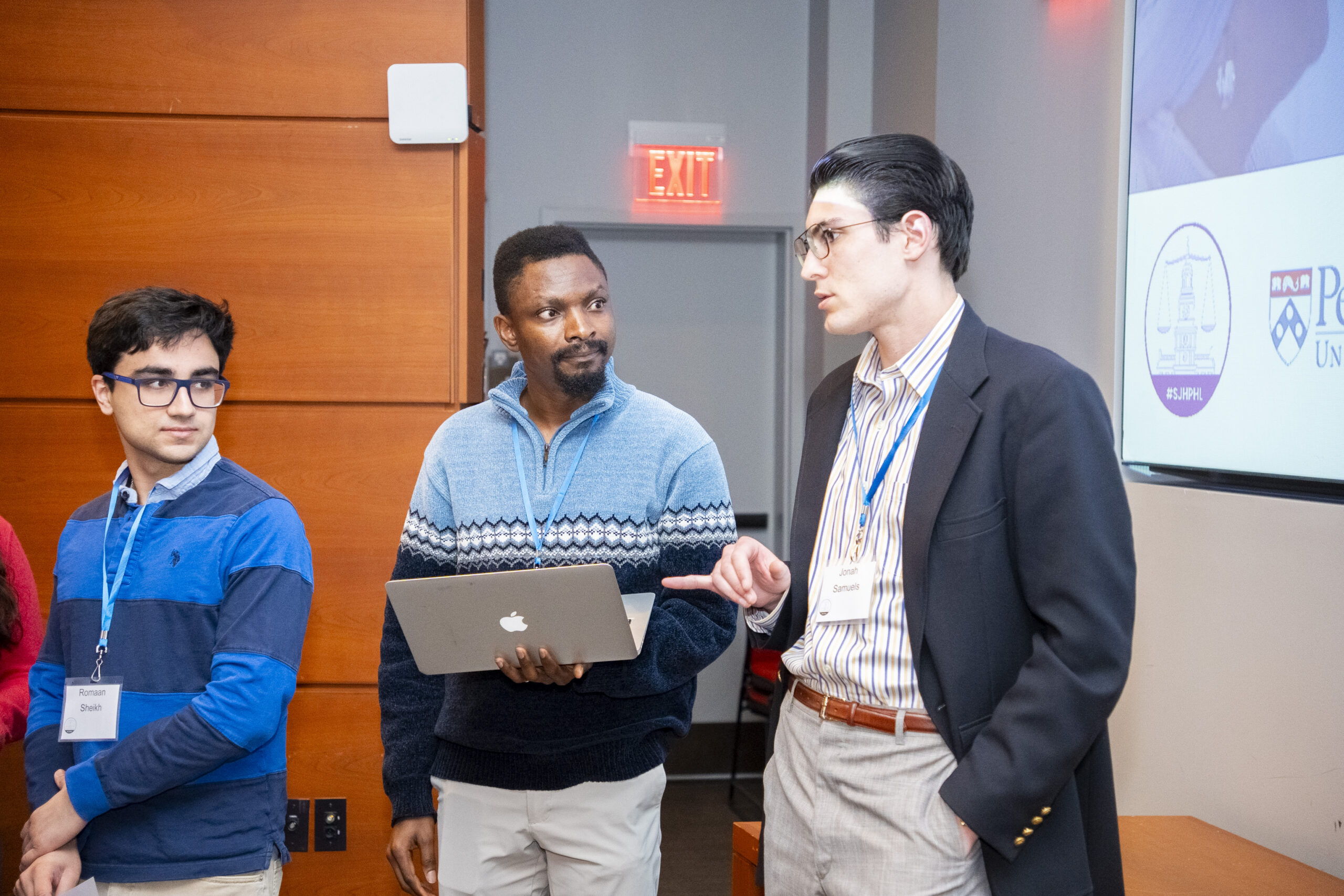
The Philadelphia Social Justice Hackathon is a 36-hour event to bring students, programmers, and other “civic-minded hackers” together – to work in collaboration with justice advocates, public servants, community legal providers, and members of the community, to enhance the use of open data and develop technology solutions that respond to the specific justice needs of residents and neighborhoods most impacted by social, economic, and environmental injustices in Philadelphia. Bring your skills and interests, whatever they may be, and join us to get inspired about what we can do for Philly! For more information, including a full schedule, please check out socialjusticehackathon.com.
Hackathon Lead: Miguel Willis
Innovator in Residence & Lecturer at Law

April 9-10, 2026
The WMGIC x TFC Hackathon style sustainability competition is built to challenge the leaders of tomorrow. Competition streams include: Narrative Power, Climate Stability, Medicine at the Edge, Mobility.
Hackathon Lead: Tyler Lawrence

Feb 21-22, 2026
At Boston University’s invitation only Civic Hacks Hackathon, the students brought the power of code to compile meaningful change in their community.
Civic Hacks Site
Hackathon Student Lead:Jacob Tessema
Hackathon Lead: Lydia Holck
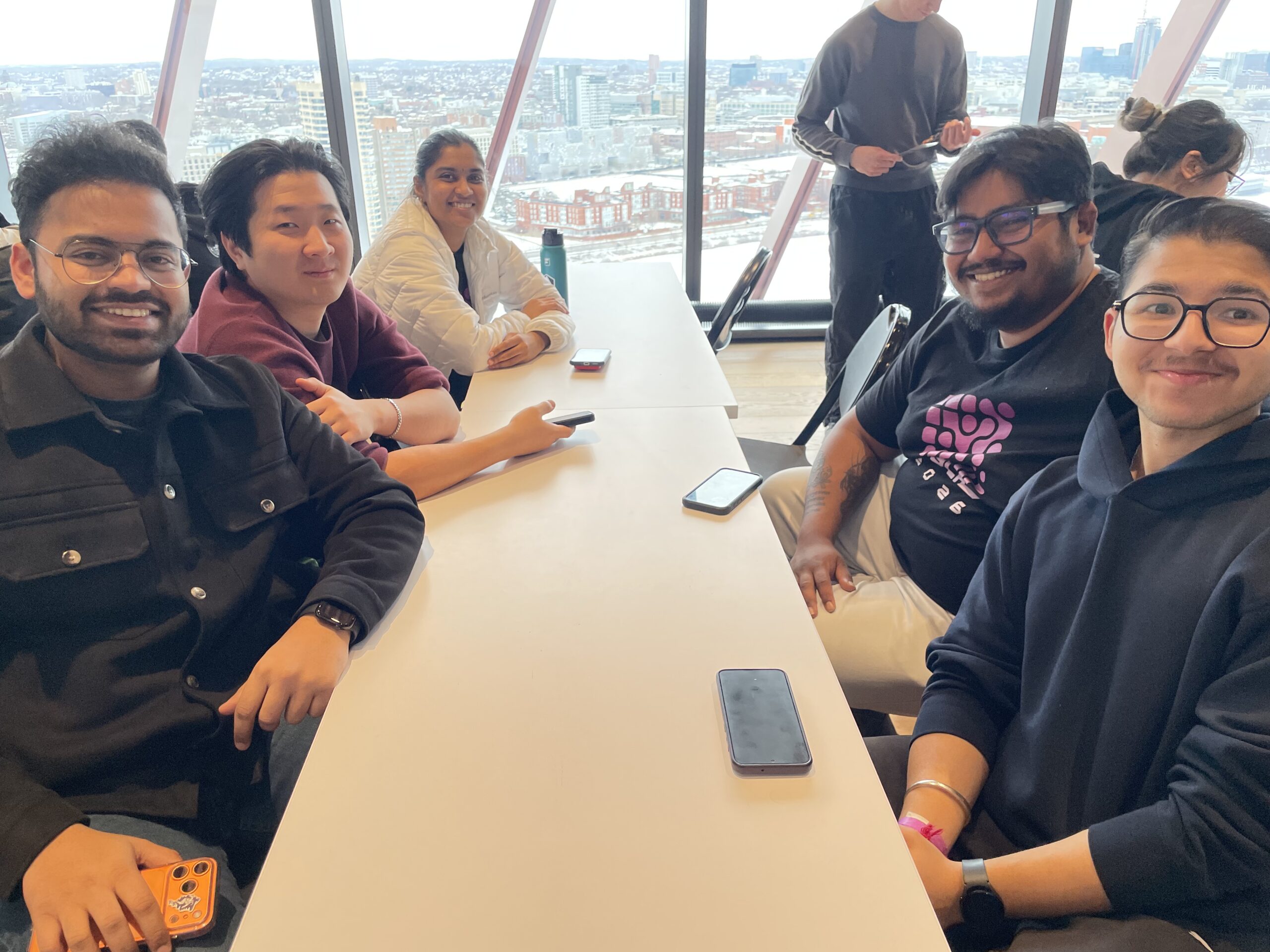
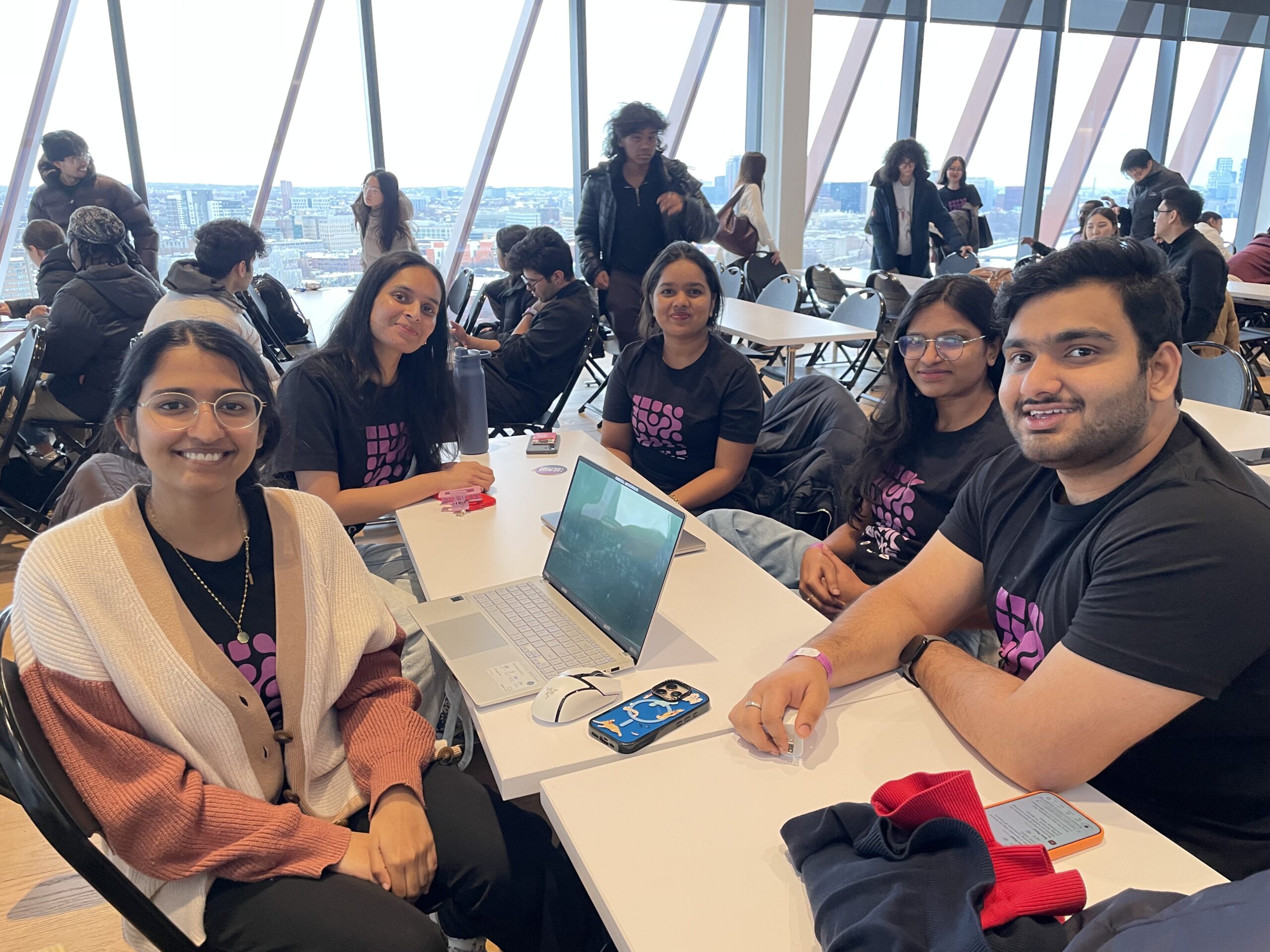
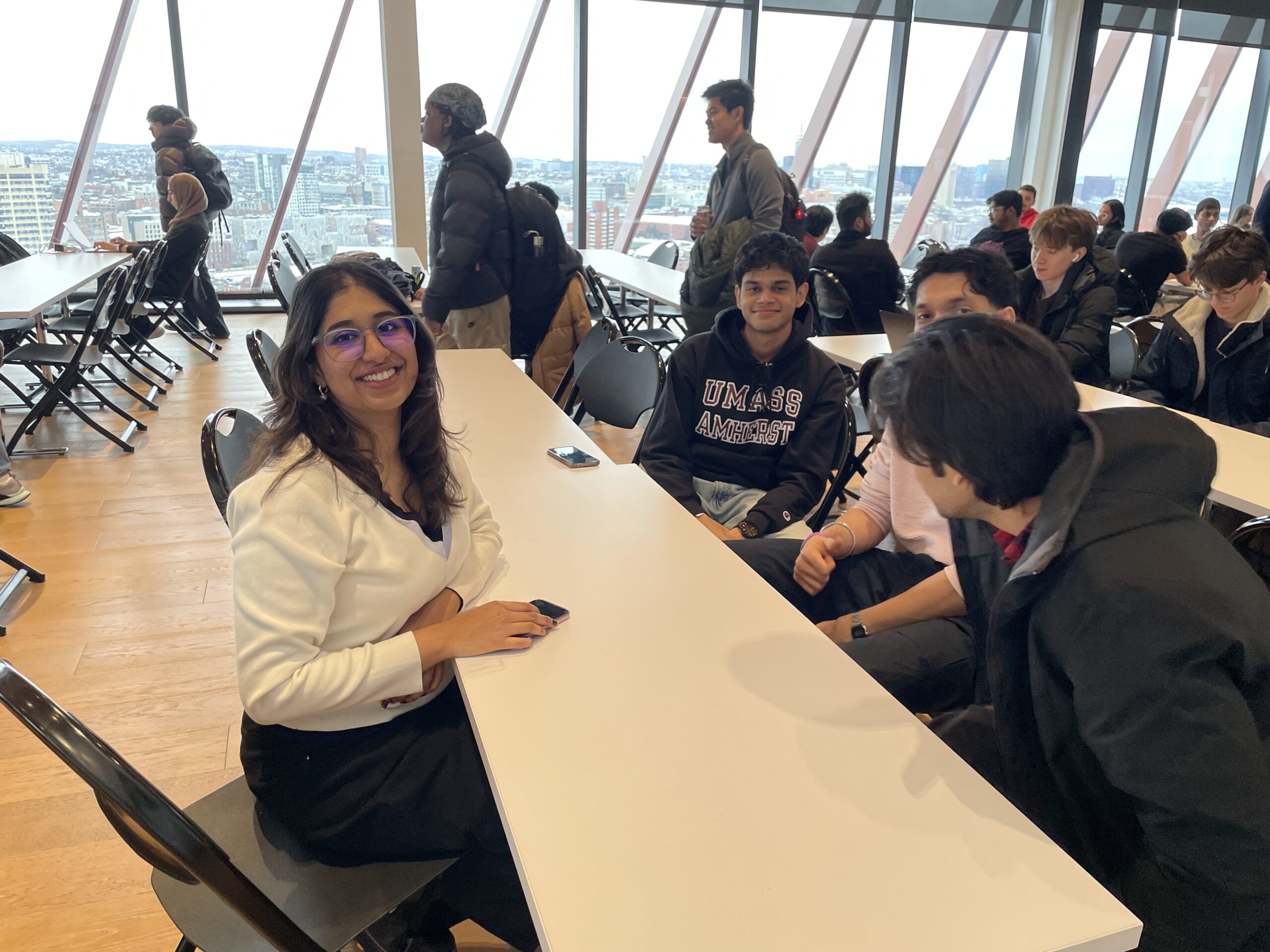
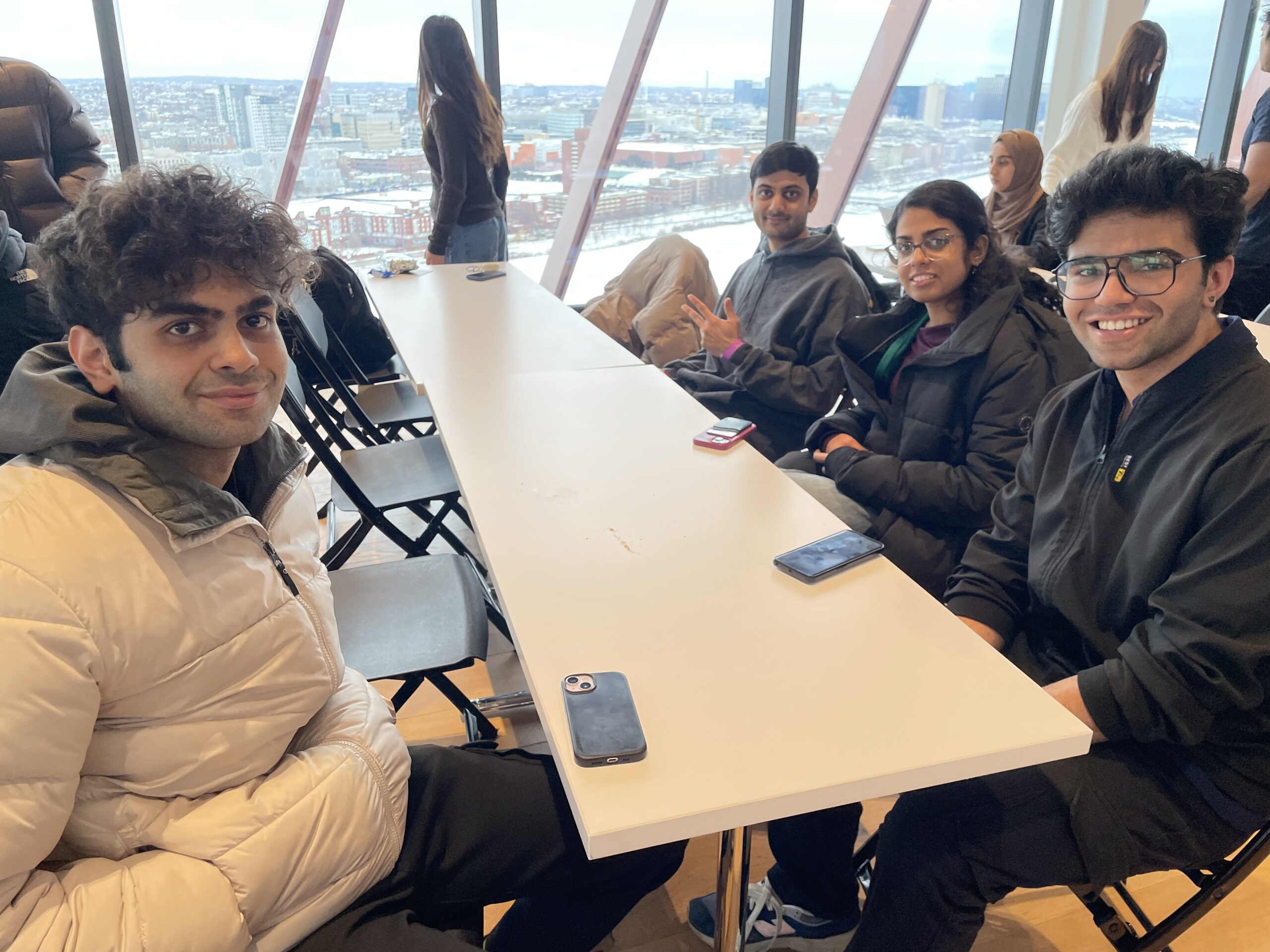
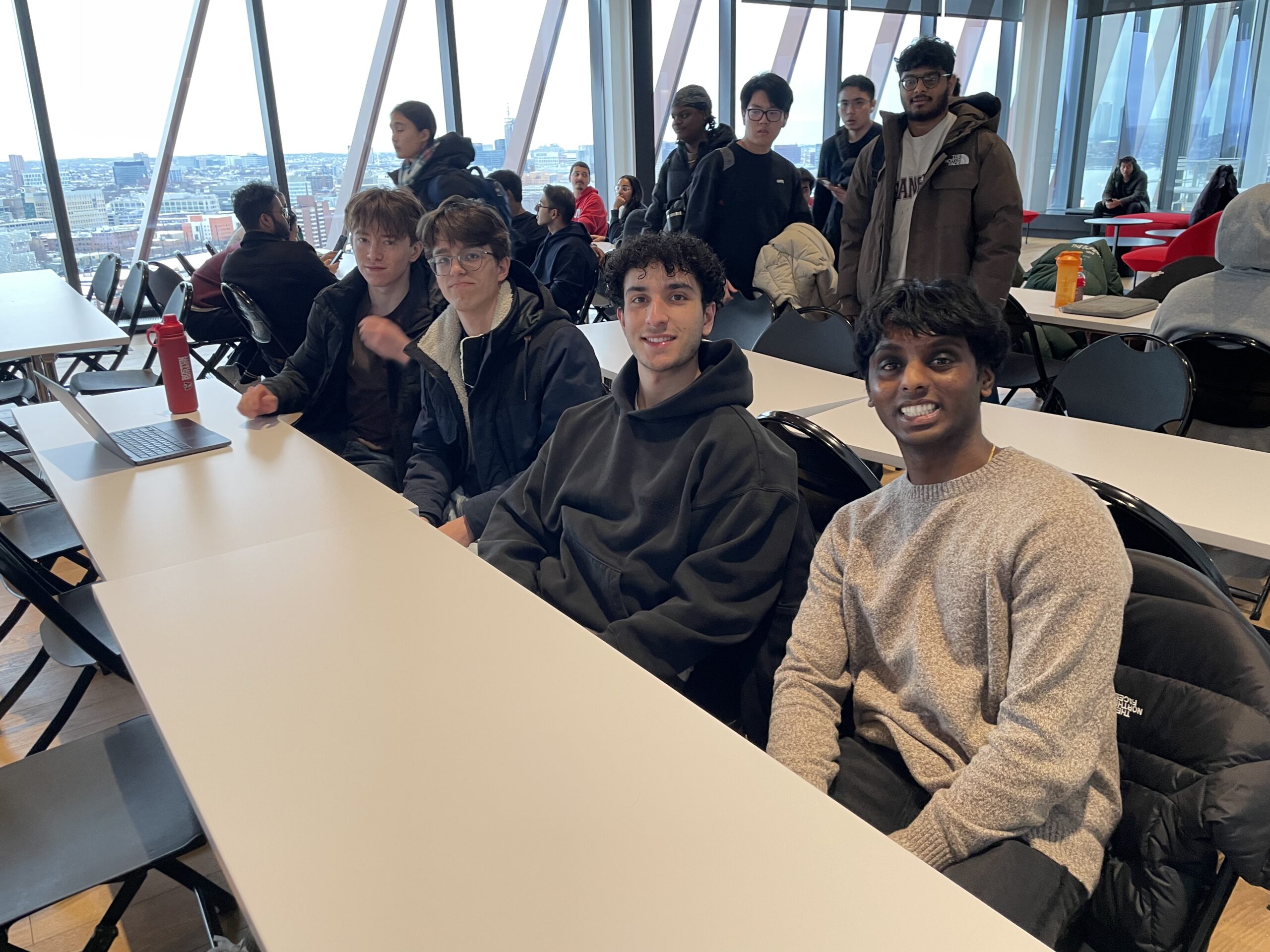
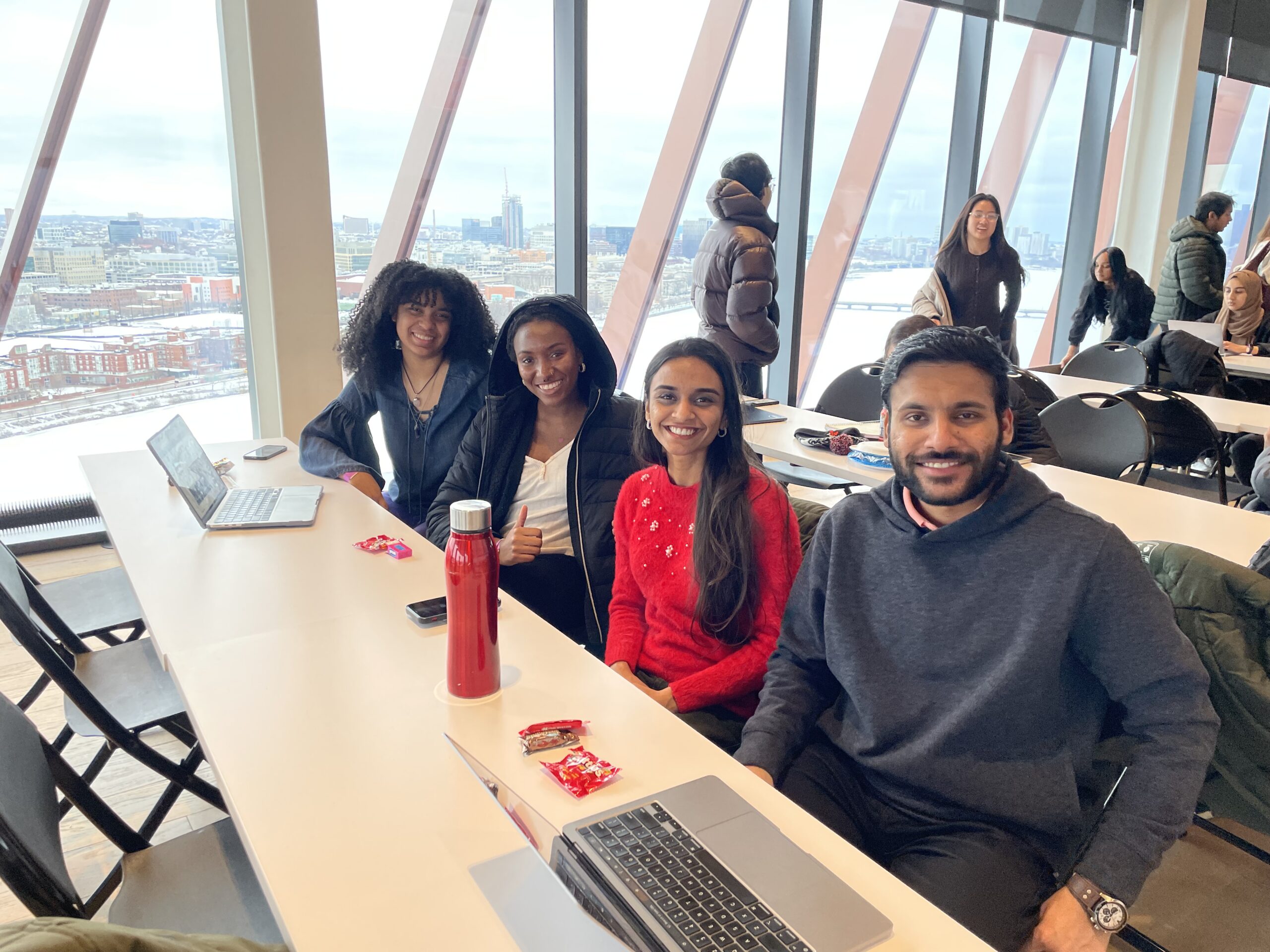
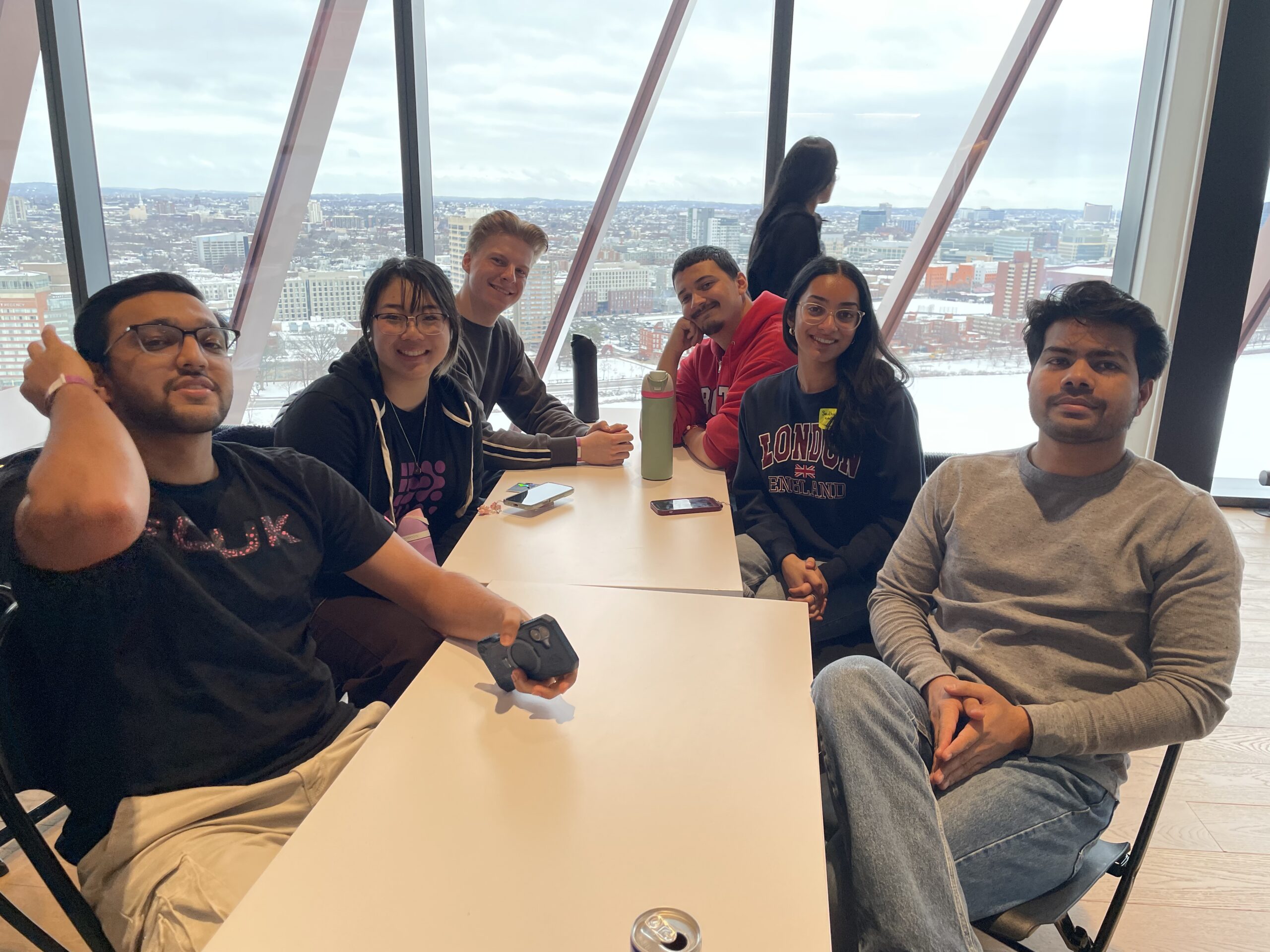
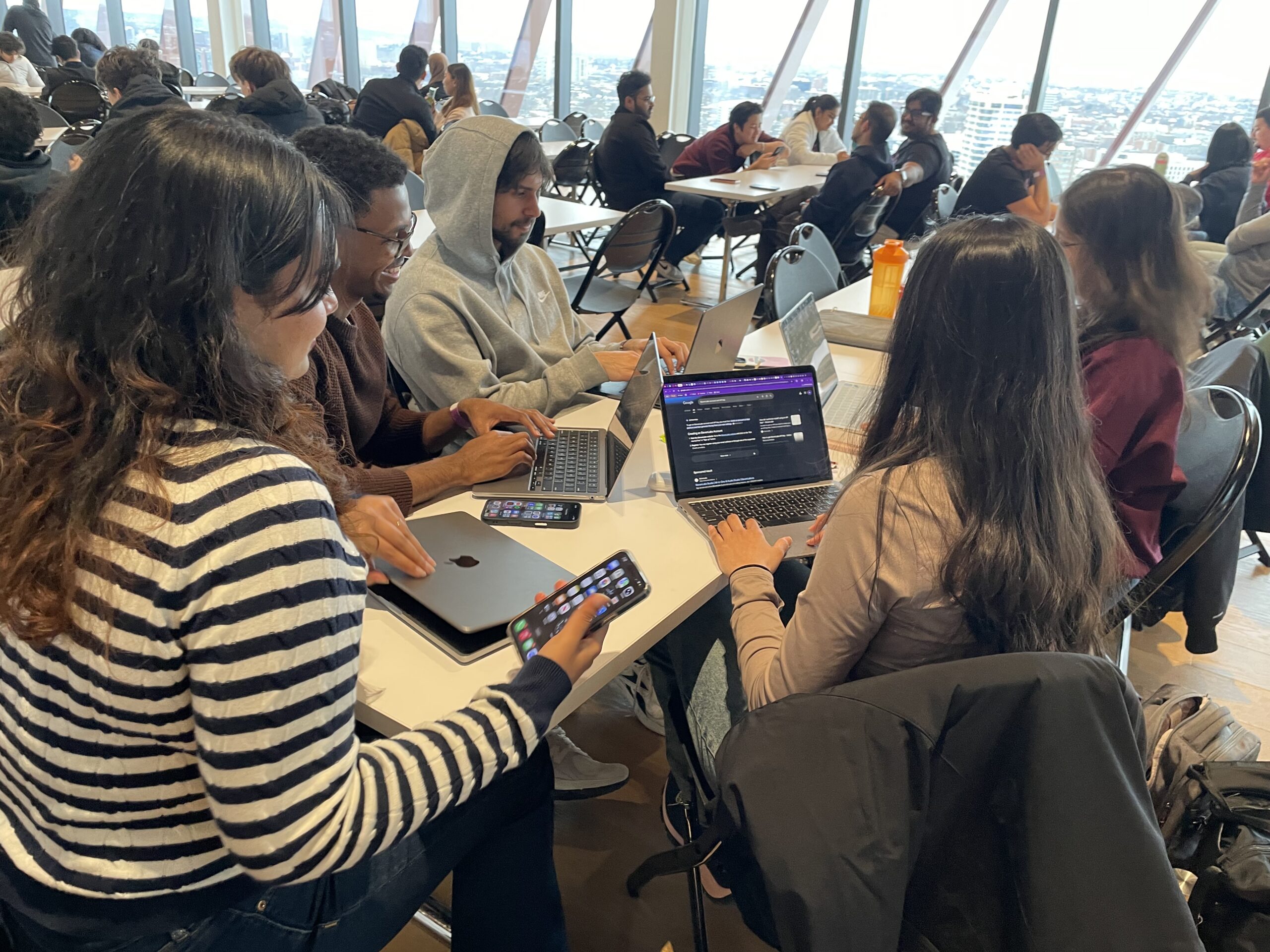
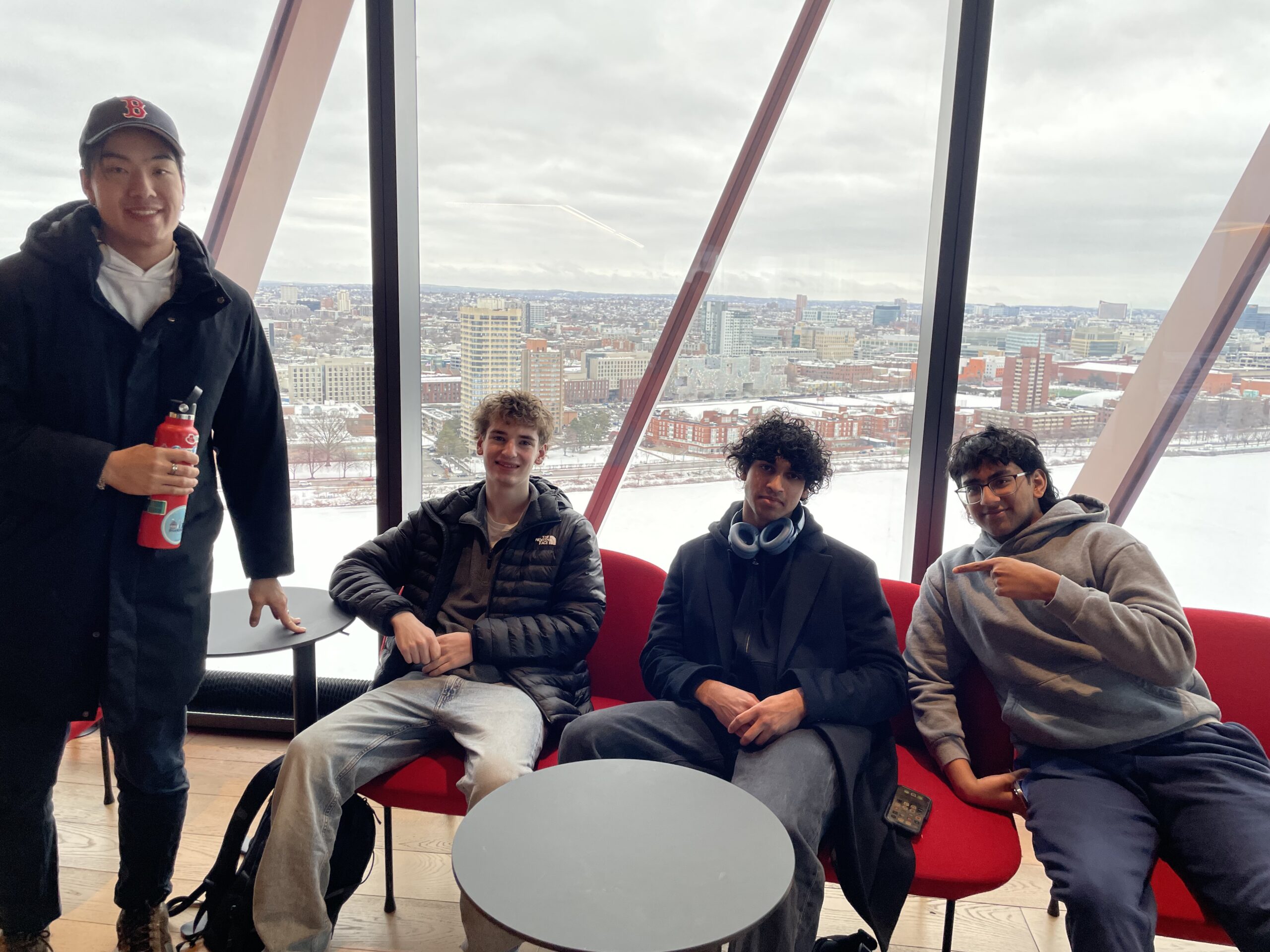
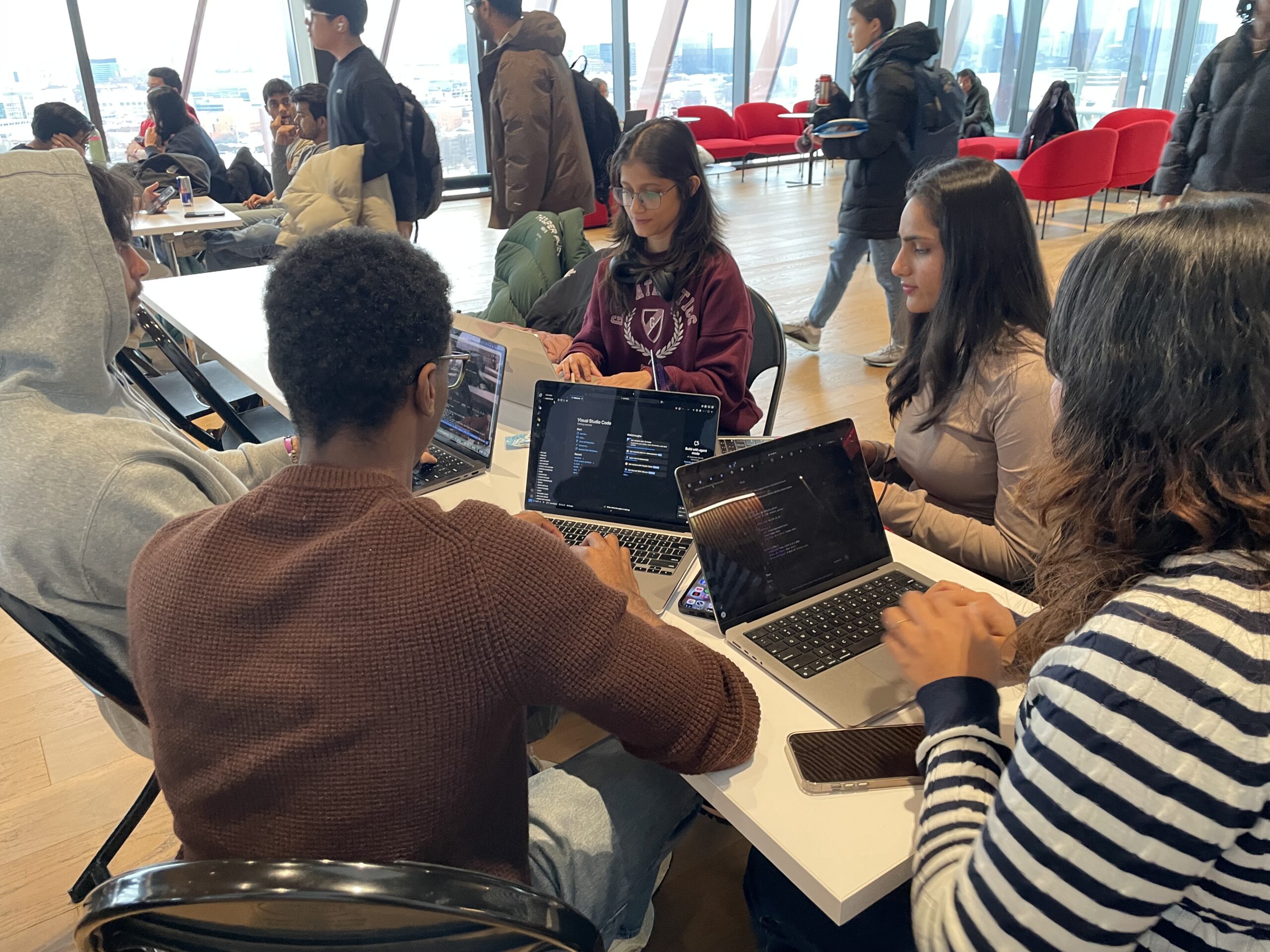
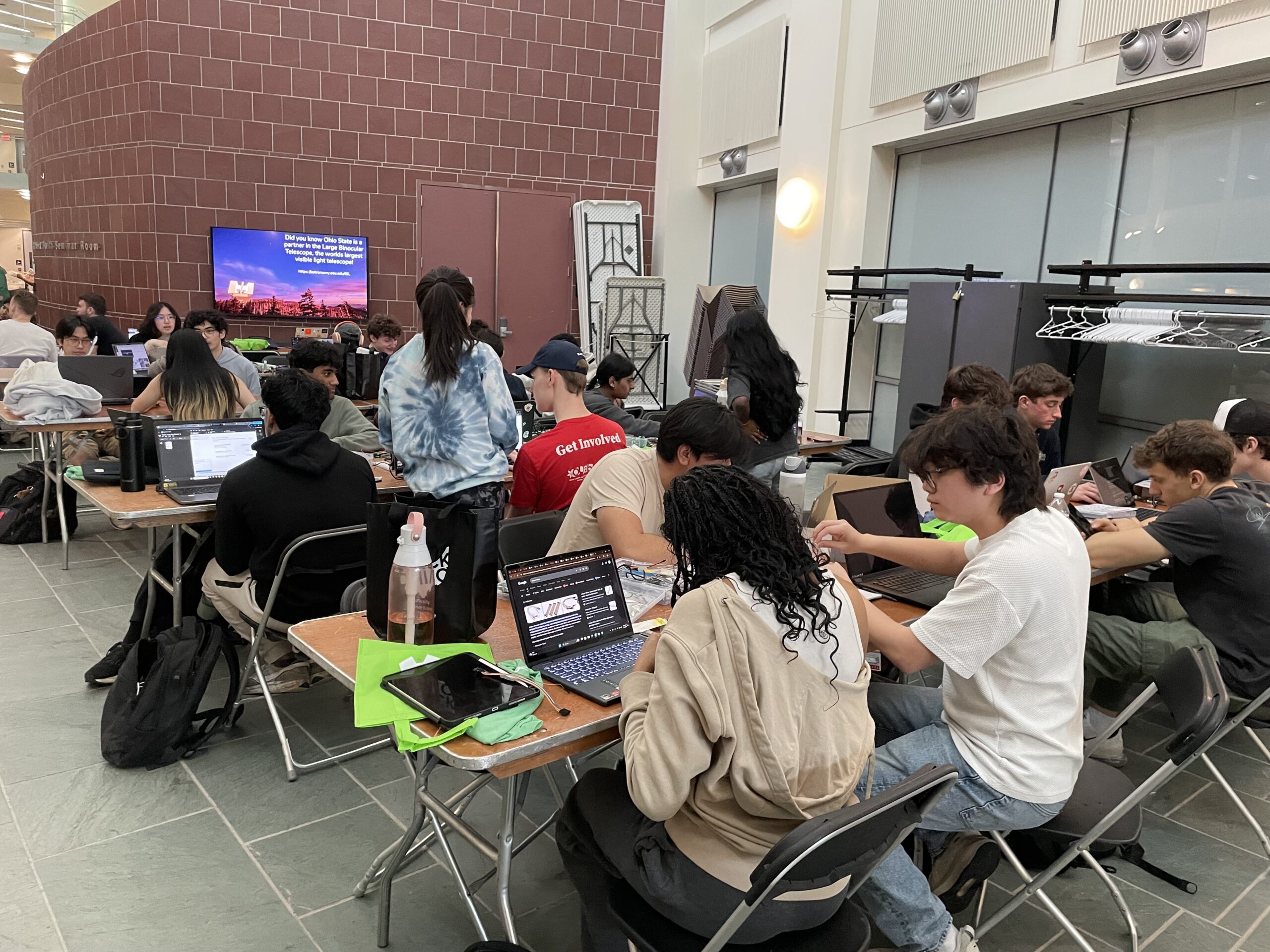
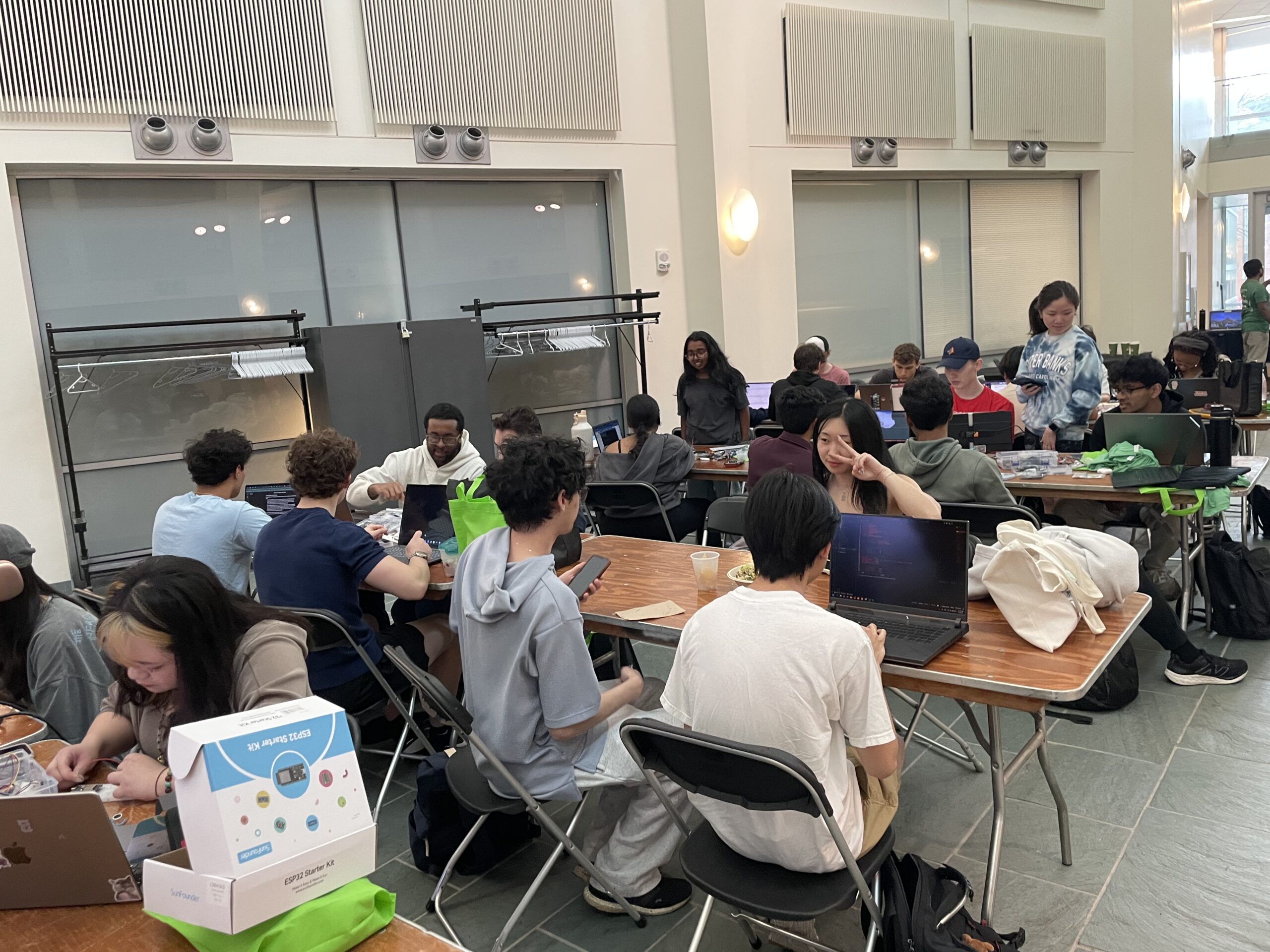
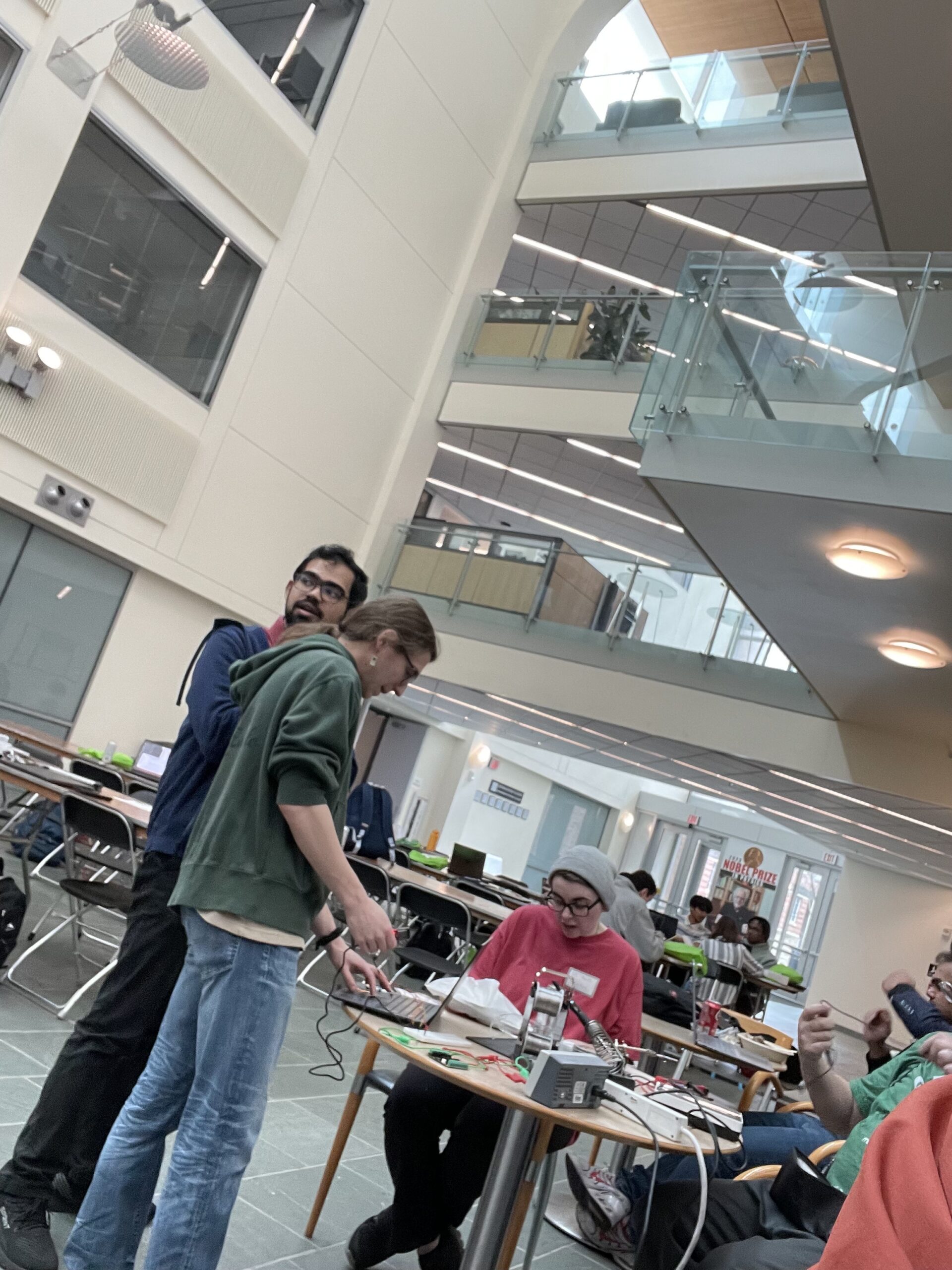
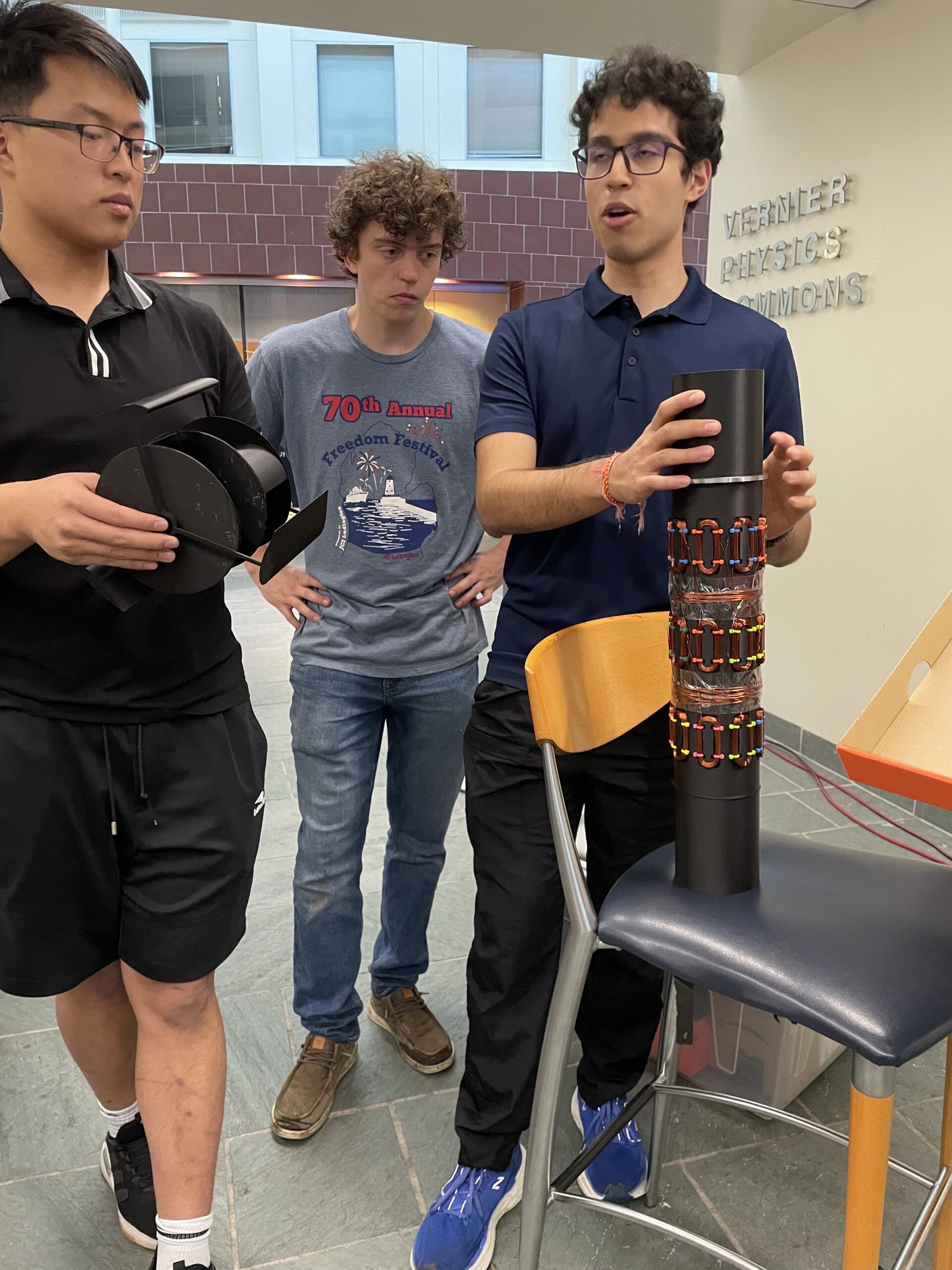
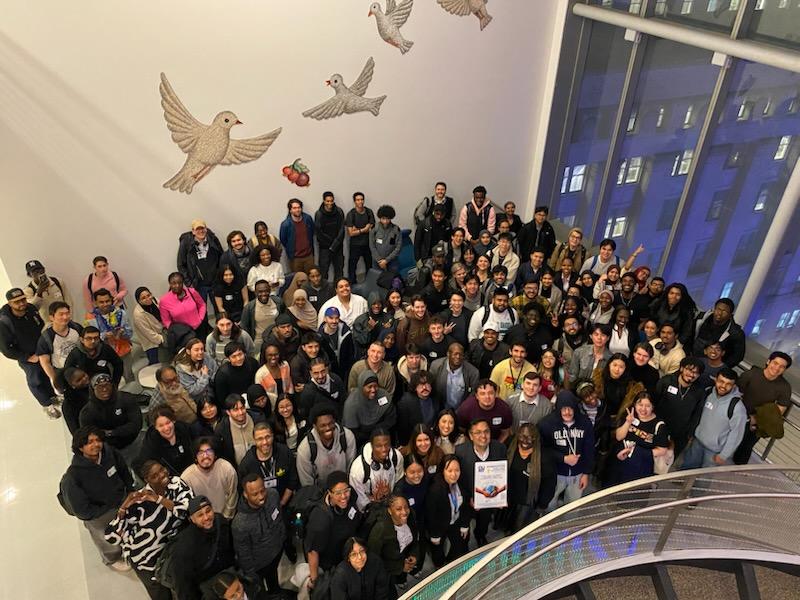
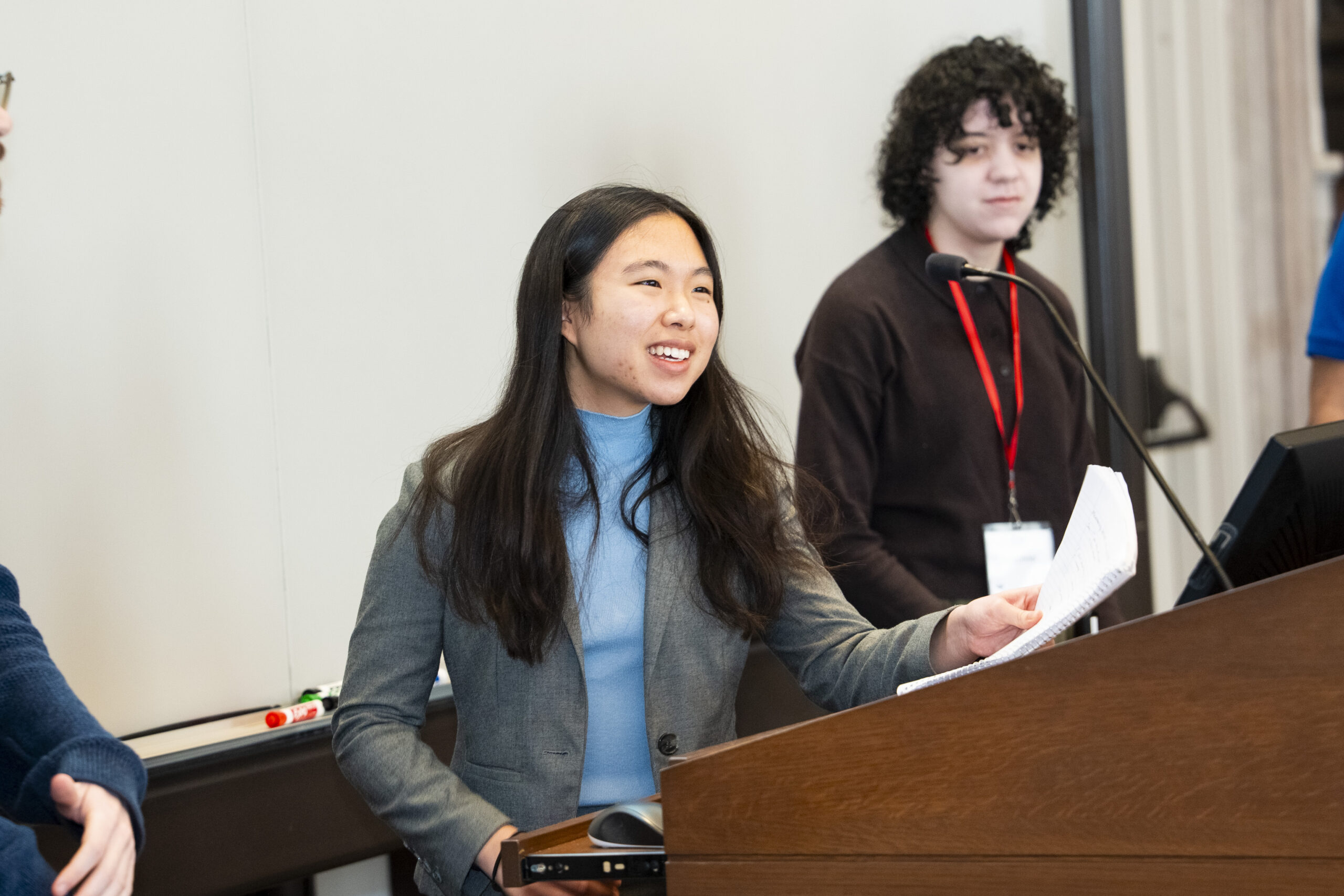
Photos from the 2026 Tech for Change Hackathons at
Boston University and The Ohio State University
The Tech for Change Hackathon is a program within the Public Interest Technology University Network, a project of the New Venture Fund (NVF), a 501(c)(3) public charity that supports innovative and effective public interest projects.

Tech for Change Hackathon Core Elements
Tech for Change Hackathons are civic-focused, community-driven, and deployed by students to address local public interest technology challenges. Tracks and issue area prompts are equity and values-centered while encouraging relationship building between students and the community. PIT-UN Tech for Change Hackathons focus on three specific areas:
- Engaging community members (via judges, mentors, sponsors, and workshop speakers).
- Exposing students to a public interest technology focus for tech and non-tech disciplines.
- Increasing employer engagement to foster social impact.
Winning proposals include plans for the participation of students from across both technical and non-technical disciplines, featuring partnerships, community engagements, mentors, and judges.
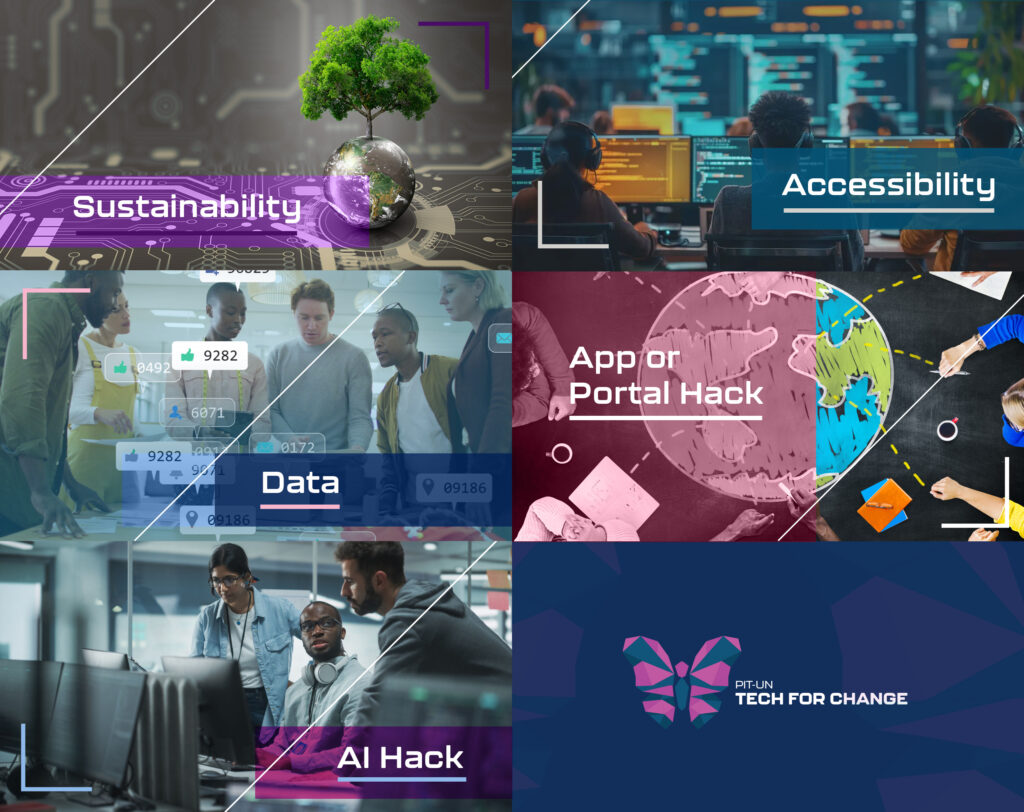
Tech for Change Hackathons include categories as:
- Sustainability: Teams develop a hack that provides an innovative and practical technical solution that is financially or environmentally sustainable.
- Accessibility: Teams develop a hack that promotes accessibility and inclusion.
- Data: Teams produce subject-specific data visuals within the larger hack or utilize data in unique and innovative ways.
- App or Portal Hack: Teams build a decentralized application or portal as open source and share it with the world.
- AI Hack: Teams use or improve AI responsibly and creatively to solve community needs. All teams need to be very upfront about what was created versus the public tools they used in the final project.